
The 5 research-backed reasons and what that feels like in class.
Methodology - or Madness? With proven outcomes in a fun and dynamic model, we’re the opposite of traditional language learning. And! At times, some elements, in either our model, curriculum or instruction, may cause learners to scratch their heads or, worst case scenario, feel confused and stop coming to class. No puede ser. (Can’t have that!)
The Goal: We're shedding some light on the why and how of various pieces of our model- so that we can get back to the business of having fun while learning!
Spoiler Alert: It’s how language works in the wild. Imagine you’re ready for your first trip to Mexico City as a Spanish learner, or a new team is showing up on the job site. The reality? You don’t arrive in a circle of people who all speak at your level. "Excuse me, umm, where’s my level 2 group in this restaurant?”
Freestyle prepares you for real world scenarios.
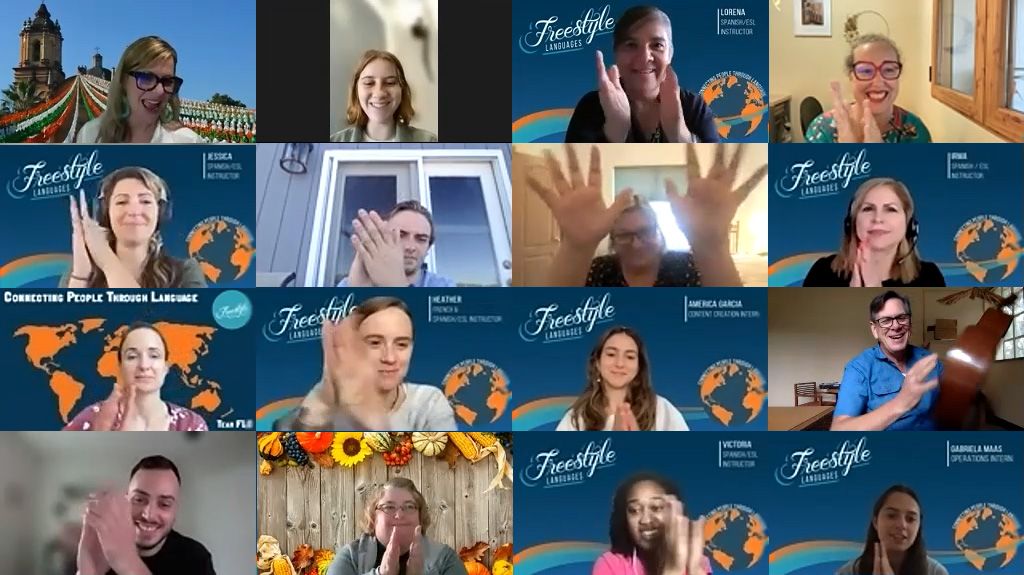
1. Social and Peer-scaffolding
2. The best learning happens through teaching
When higher-level learners explain or model language to help others, they consolidate and retain forms and vocabulary themselves (the “protégé effect”). Mixed-ability pairings produce mutual benefit rather than one-way help.
While we’re here, check this out and how it also builds confidence, team-building collaboration and motivation.
While we’re here, check this out and how it also builds confidence, team-building collaboration and motivation.
So many wins! We must ask: Should you trust a model that does NOT provide an opportunity for like-level collaboration? (No, you should not.) Wait, there’s more:
3. Adjacent levels & varied practice improves long-term retention
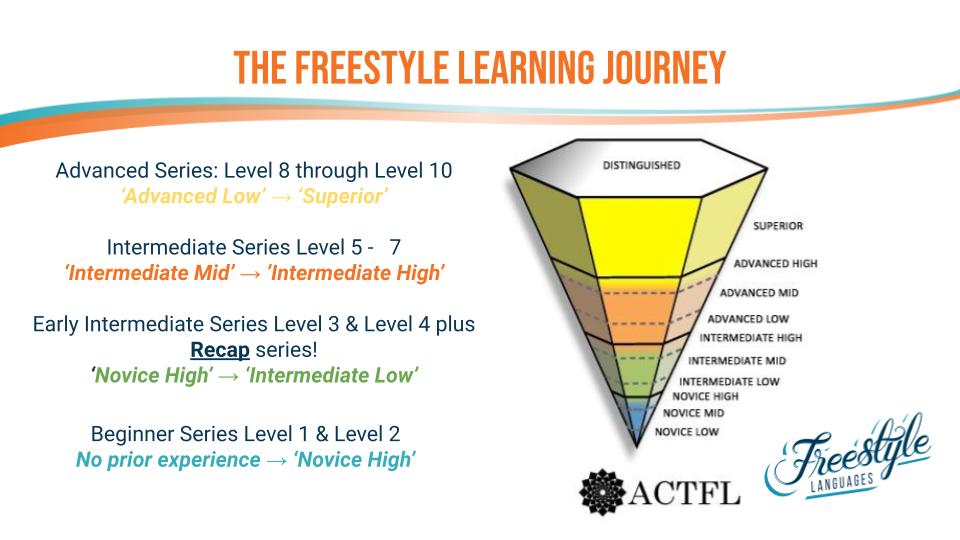
4. Levels represent a continuous cumulative path
5. The flipped model amplifies the value of combined sessions
Given our (new!) construction safety-focused video-based course, learners will now experience the occasional ‘flipped’ day 2!
Because the lower-stakes knowledge transfer (input, vocabulary, short explanations) happens before class in a flipped model, in-class time can focus on interaction, peer feedback, and scaffolded production — exactly what mixed-level groups need to maximize gains.
Because the lower-stakes knowledge transfer (input, vocabulary, short explanations) happens before class in a flipped model, in-class time can focus on interaction, peer feedback, and scaffolded production — exactly what mixed-level groups need to maximize gains.
Meta-analyses and reviews show flipped classrooms increase engagement and make collaborative/individualized instruction more effective.